"The Price of Perfection: The Hidden Costs of Chasing Unrealistic Beauty Standards"
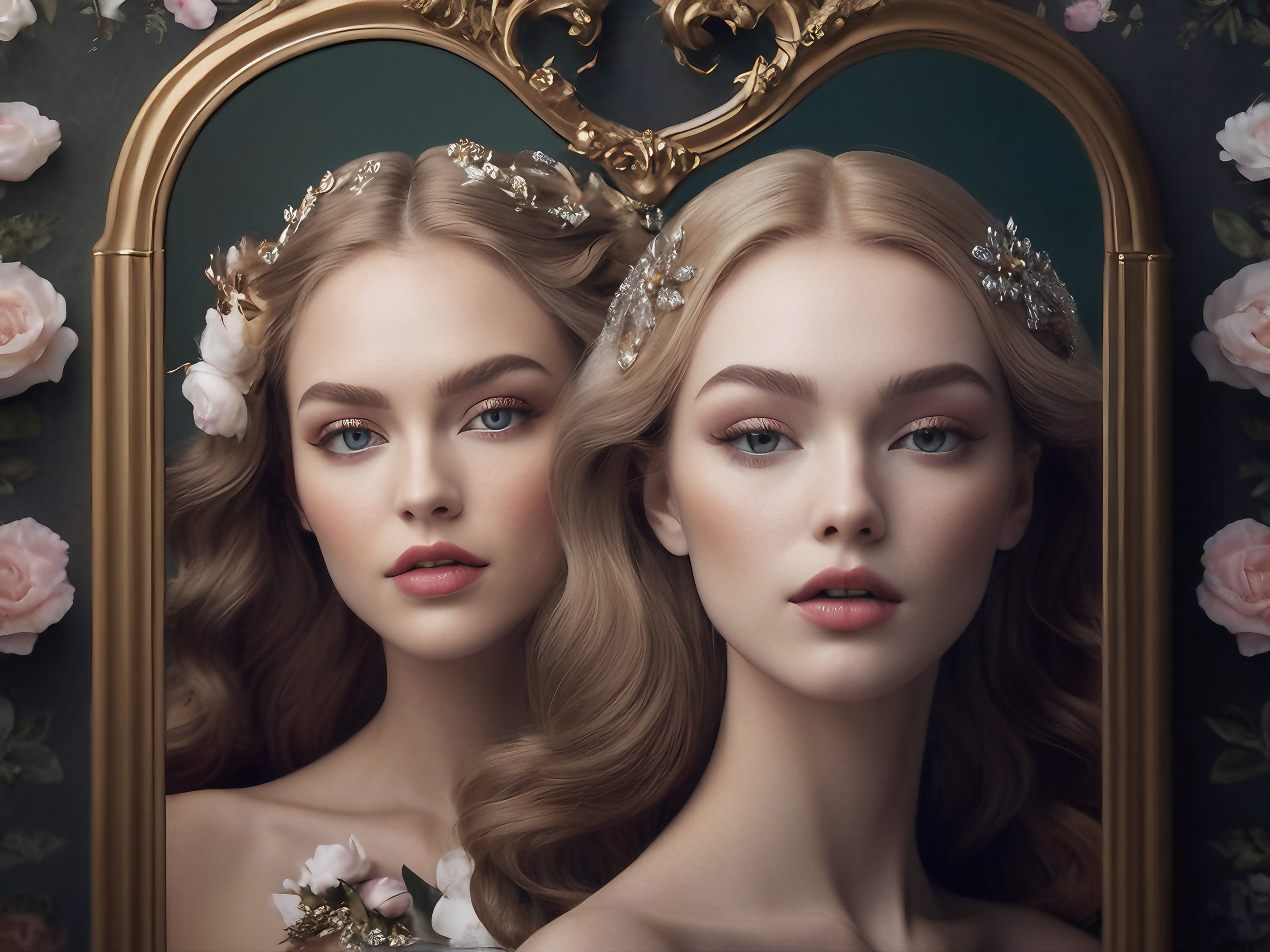
In our modern world, the pressure to achieve an idealized standard of beauty has become an inescapable part of daily life. From the glossy pages of fashion magazines to the meticulously curated feeds of social media influencers, we are constantly inundated and intimidated by images of seemingly flawless individuals who embody an unattainable level of perfection. While pursuing beauty is not inherently problematic, the relentless chase after unrealistic ideals can come at a steep cost – emotionally, mentally, and financially. In this blog post, we will delve into the hidden prices we pay when we become consumed by the quest for physical perfection, exploring the detrimental effects on our personal lives and society as a whole and highlighting the importance of prioritizing self-care and self-acceptance above all else.
The Emotional Toll
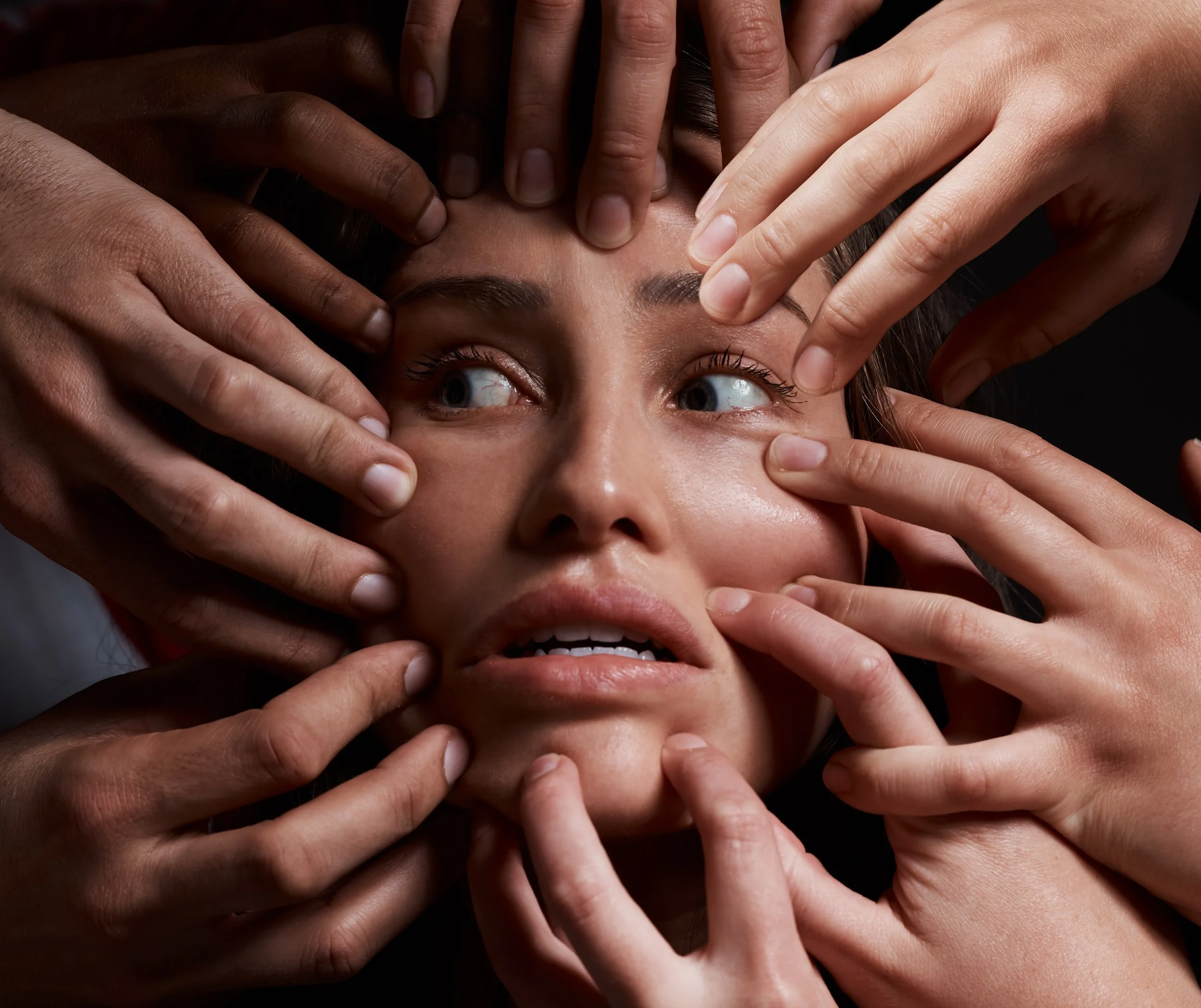
One of the most profound costs of chasing unrealistic beauty standards is the emotional toll it takes on our well-being. In a world constantly bombarded with images of airbrushed and filtered perfection, it is all too easy to fall into the trap of self-comparison. We may find ourselves scrutinizing our own bodies and features with a hypercritical eye, magnifying every perceived flaw and imperfection. This negative self-talk and relentless self-criticism can erode our self-esteem, leading to feelings of inadequacy, shame, and even self-loathing.
Samantha, a 28-year-old social media manager, shares her experience: "I spent hours scrolling through Instagram, comparing myself to the perfect images I saw. I started to hate my own body, picking apart every little detail that didn't measure up. It got to the point where I was afraid to leave the house without a full face of makeup because I felt like I wasn't good enough as I was."
Moreover, the pressure to maintain a specific appearance can be all-consuming, causing us to prioritize our looks over other essential aspects of our lives. We may spend countless hours in front of the mirror, obsessing over our hair, makeup, and clothing choices, rather than investing that time and energy into nurturing our relationships, pursuing our passions, or engaging in activities that bring us genuine joy and fulfillment. This preoccupation with our appearance can lead to a sense of disconnection from our authentic selves as we become more focused on presenting a perfect facade to the world than on cultivating our inner selves.
The Mental Health Impact
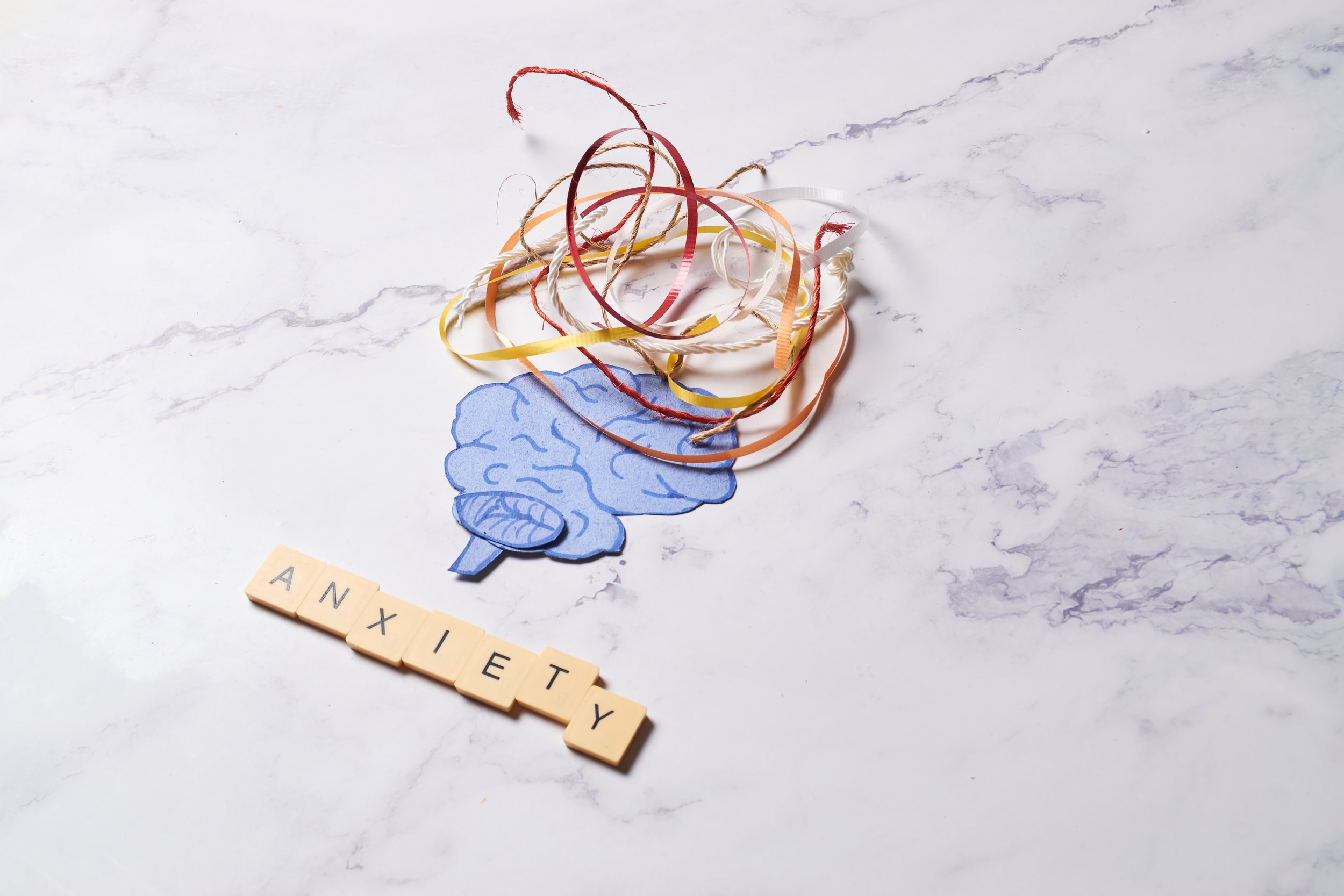
The relentless pursuit of unattainable beauty standards can also take a significant toll on our mental health. Numerous studies have shown that exposure to idealized images in the media is linked to increased rates of body dissatisfaction, disordered eating, and depression, particularly among young women and girls. The constant barrage of messages telling us that we need to look a certain way to be considered beautiful, successful, or worthy can lead to a distorted body image and a host of mental health challenges.
Dr. Emily Roberts, a clinical psychologist specializing in body image and eating disorders, explains: "When we internalize the belief that our worth is tied to our appearance, it can lead to a range of unhealthy behaviors and thought patterns. I've seen countless patients who have developed eating disorders, body dysmorphia, and depression as a result of trying to conform to unrealistic beauty standards. It's a real mental health crisis that we need to address as a society."
When we internalize the belief that our worth is tied to our appearance, we may develop unhealthy coping mechanisms in an attempt to conform to these unrealistic ideals. This can manifest in various ways, such as crash dieting, excessive exercise, or even more extreme measures like cosmetic surgery or the use of dangerous weight loss supplements. These behaviors can not only harm our physical health but also contribute to a cycle of self-loathing and diminished self-worth.
Furthermore, the constant pressure to present a perfect image to the world can lead to feelings of anxiety and stress. In the age of social media, where our lives are often displayed for public consumption, we may need to constantly curate and edit our online presence to maintain a particular aesthetic. This can create a disconnect between our authentic selves and the persona we present to the world, leading to loneliness and isolation. We may struggle to form genuine connections with others, worrying that revealing our true selves will shatter the illusion of perfection we have worked so hard to maintain.
The Financial Burden
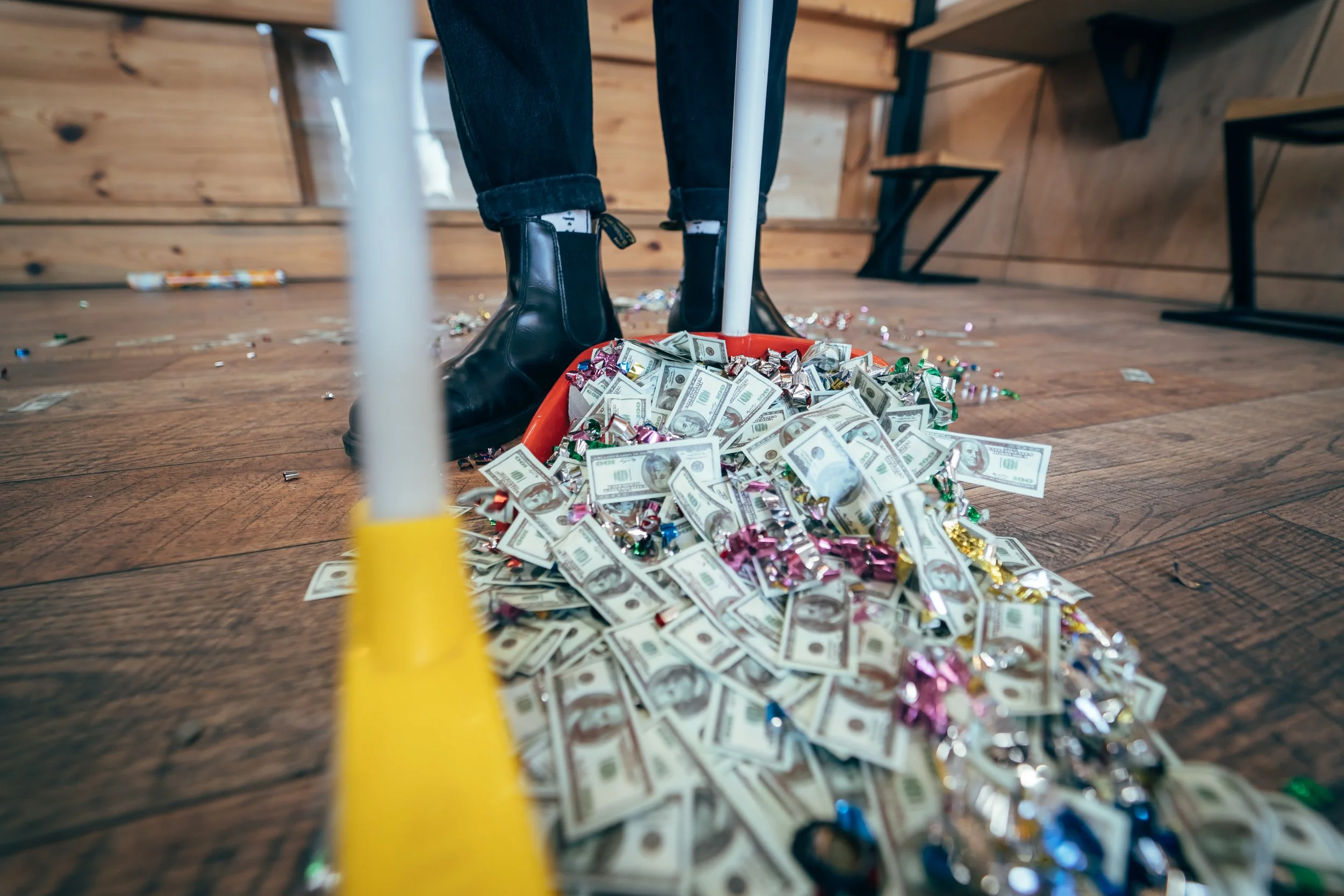
In addition to the emotional and mental costs, the pursuit of unrealistic beauty standards can also place a significant financial burden on individuals and families. The beauty industry is a multi-billion-dollar market, with countless products and services promising to help us achieve the perfect look. From expensive skincare regimens and makeup collections to pricey gym memberships and cosmetic procedures, the cost of maintaining a specific appearance can quickly add up.
A 35-year-old marketing executive, Jessica shares her experience: "I used to spend hundreds of dollars monthly on the latest skincare products, makeup, and beauty treatments. I felt like I needed the perfect look to succeed in my career, but it took a huge toll on my finances. I was living paycheck to paycheck to keep up with the beauty standards I felt pressured to meet."
For many people, the pressure to keep up with the latest beauty trends and products can lead to overspending and even debt. We may feel compelled to purchase the newest miracle cream or invest in a trendy workout program, even if it stretches our budget to the breaking point. This financial strain can create additional stress and anxiety as we worry about how we will be able to maintain our appearance while also meeting our other financial obligations.
Moreover, the cost of pursuing unrealistic beauty standards is more than just monetary. It can also come at the expense of our time and energy. We may spend hours researching the latest beauty hacks, watching makeup tutorials, or scrolling through social media for inspiration rather than investing that time into more meaningful pursuits. This opportunity cost can leave us feeling unfulfilled and disconnected from what truly matters in life.

The Social Disconnect
The pursuit of unrealistic beauty standards can also profoundly impact our social lives and relationships. When we become consumed by the quest for physical perfection, we may withdraw from social situations and isolate ourselves from others. We may feel self-conscious about our appearance, worrying that we don't meet the impossible standards set by society and the media.
Lauren, a 22-year-old college student, shares her experience: "I used to love going out with my friends and meeting new people, but as I became more obsessed with my appearance, I started to avoid social situations. I was so worried about my appearance that I couldn't relax and enjoy myself. I felt like I was missing out on important experiences and connections, all because I was too focused on trying to look perfect."
This social disconnect can be particularly challenging in the age of social media, where our lives are often displayed for public consumption. We may find ourselves comparing our own lives and appearances to the carefully curated highlight reels of others, leading to feelings of inadequacy and FOMO (fear of missing out). This constant comparison can create a sense of competition and hostility as we strive to present the most perfect version of ourselves to the world.
Moreover, pursuing unrealistic beauty standards can strain our relationships with loved ones. When we become preoccupied with our appearance, we may prioritize our looks over our connections with others. We may cancel plans or avoid social situations simply because we don't feel confident in our appearance. This can lead to feelings of loneliness and isolation as we struggle to maintain meaningful relationships in the face of our insecurities.
The Identity Crisis
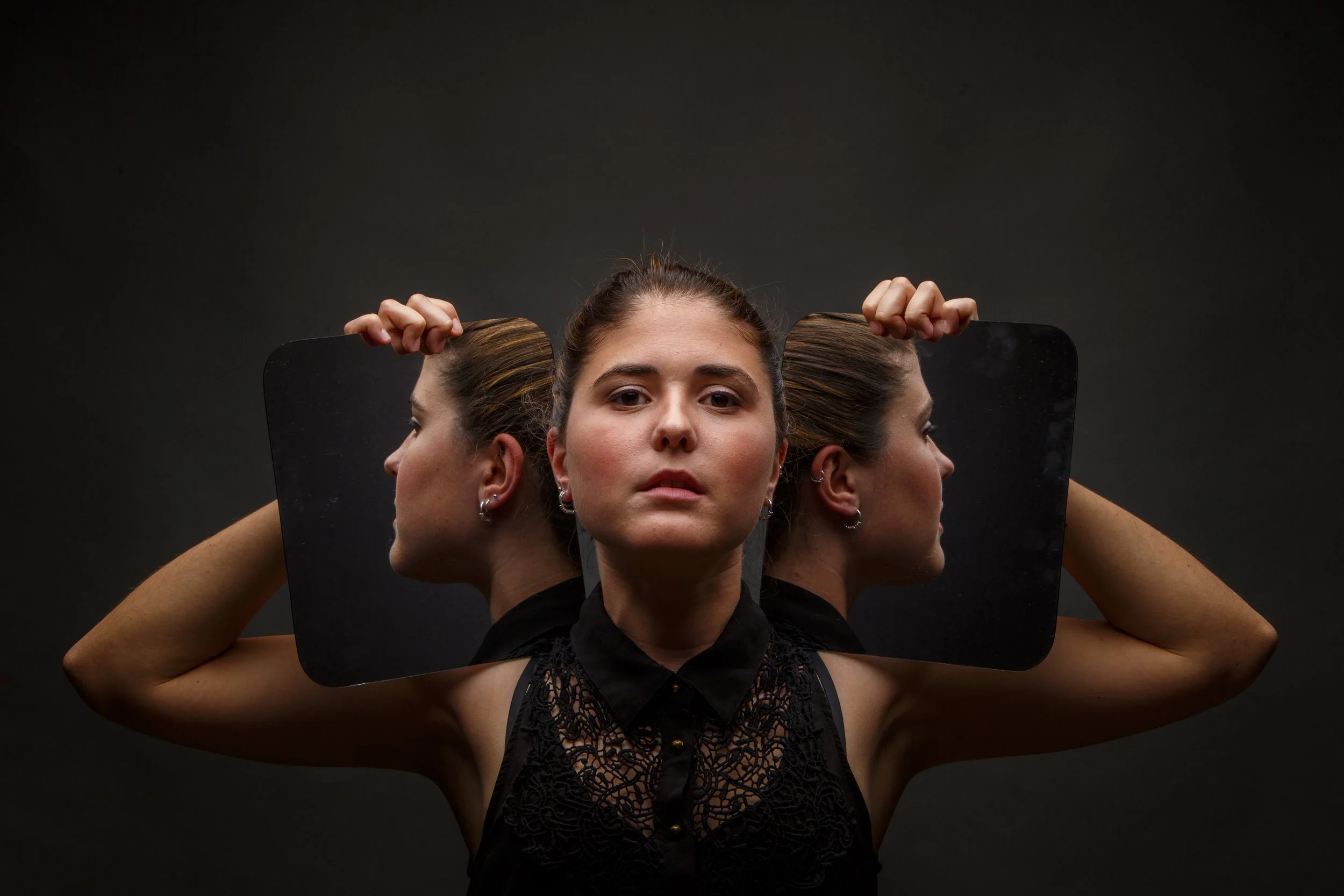
Another hidden cost of chasing unrealistic beauty standards is the potential for an identity crisis. When we tie our self-worth and sense of identity so closely to our appearance, we risk losing sight of who we are beneath the surface. We may become so focused on presenting a particular image to the world that we must cultivate our unique qualities, passions, and values.
Alex, a 19-year-old non-binary individual, shares their experience: "Growing up, I always felt like I didn't fit into the narrow beauty standards presented to me. I struggled to find my place in a world that valued only one type of beauty. It wasn't until I started to embrace my unique identity and style that I felt comfortable in my own skin. I realized that my worth wasn't tied to how well I conformed to society's expectations, but rather to how true I was to myself."
This can be particularly challenging for young people, who are still forming their identities and figuring out their place in the world. When constantly bombarded with messages about what they should look like and how they should behave, they may struggle to develop a strong sense of self. They may feel pressure to conform to narrow beauty standards, even if it means compromising their individuality and authenticity.
Moreover, the pursuit of unrealistic beauty standards can lead to a sense of disconnection from our bodies. When we constantly try to mold ourselves into a certain ideal, we may begin to view our bodies as objects to be manipulated and controlled rather than as an integral part of our being. This can lead to a host of physical and mental health challenges as we struggle to develop a healthy and nurturing relationship with ourselves.
The Future Impact
The costs of chasing unrealistic beauty standards are not limited to the present moment. They can also have far-reaching consequences for our future selves and society as a whole. When we become consumed by the quest for physical perfection, we risk missing out on significant opportunities and experiences that could shape our lives meaningfully.
For example, we may pass up the chance to pursue a particular career path or educational opportunity simply because we feel we need more confidence in our appearance. We may avoid putting ourselves out and taking risks for fear of being judged or rejected based on our looks. This can limit our potential for growth and fulfillment and may even hold us back from achieving our dreams.
Moreover, the societal impact of unrealistic beauty standards cannot be overstated. When we perpetuate the idea that there is only one way to be beautiful, we contribute to a culture of exclusion and discrimination. We convey that certain bodies and features are more valuable than others and that those who don't conform to these narrow ideals are somehow less worthy of love, respect, and acceptance.
A 45-year-old body positivity activist, Tanya shares her perspective: "As a society, we need to recognize the harm these unrealistic beauty standards are causing, particularly to marginalized communities. When we only celebrate one narrow definition of beauty, we erase the experiences and identities of so many people. We need to create a more inclusive and accepting culture, where all bodies and appearances are valued and celebrated."
This can have devastating consequences for marginalized communities, who may already face significant barriers and challenges in their daily lives. When we fail to represent a diverse range of bodies and identities in the media and popular culture, we erase the experiences and voices of those who don't fit the dominant beauty ideal. This can lead to feelings of invisibility and isolation and can even contribute to more severe issues like discrimination and violence.
The Importance of Self-Care and Self-Acceptance
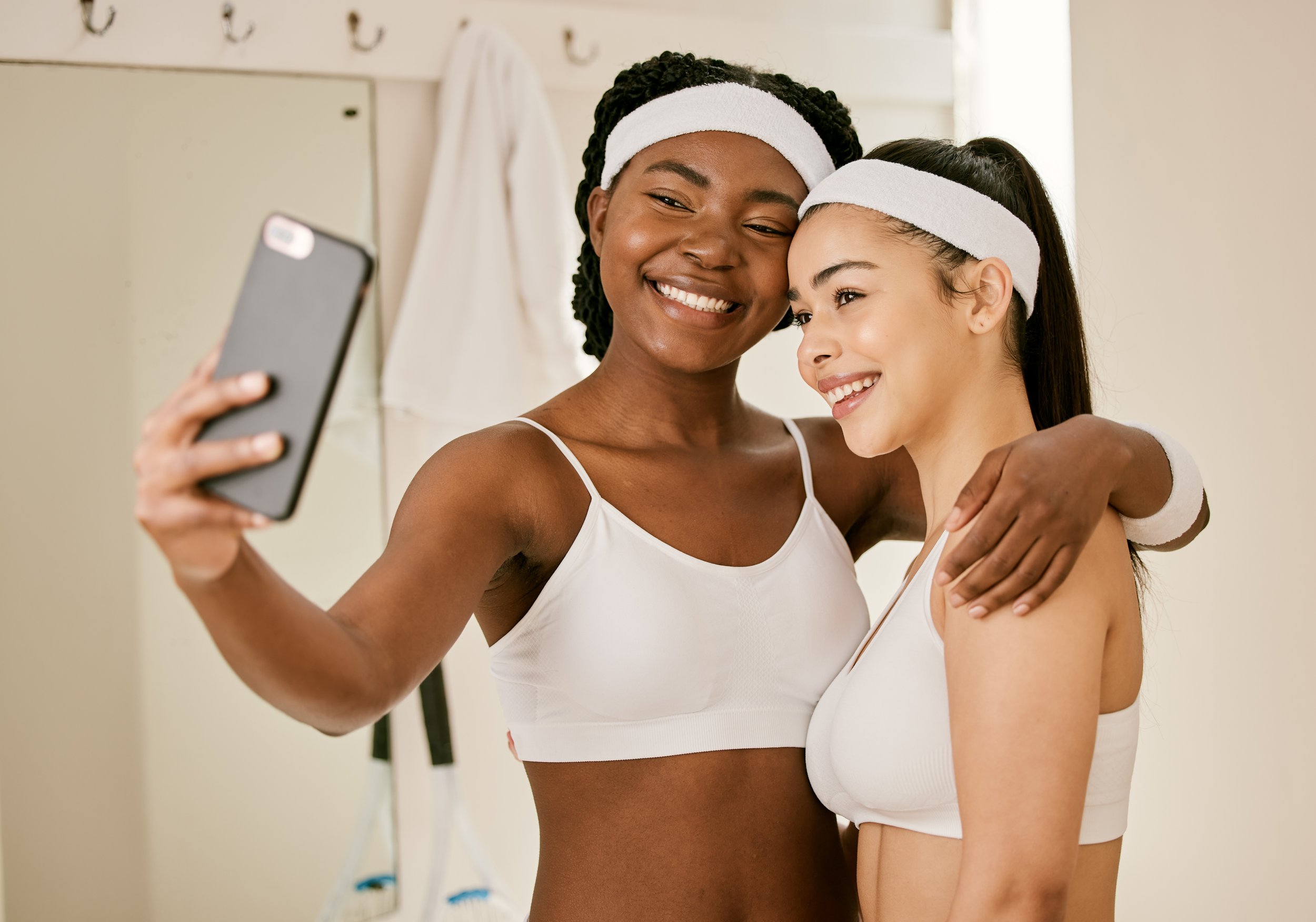
Considering the many hidden costs of chasing unrealistic beauty standards, we must prioritize self-care and self-acceptance above all else. This means learning to love and appreciate our bodies and ourselves just as we are rather than constantly striving for an unattainable ideal.
One key aspect of self-care is developing a healthy and balanced relationship with our appearance. This may involve setting boundaries around our media consumption, unfollowing accounts that make us feel inadequate, and seeking content that promotes body positivity and self-love. It may also mean taking a more intuitive approach to our beauty routines, focusing on practices that make us feel good rather than trying to conform to external standards.
Maria, a 27-year-old yoga instructor, shares her journey towards self-acceptance: "For years, I struggled with negative body image and the constant pressure to look a certain way. It wasn't until I started practicing yoga and mindfulness that I developed a more loving and accepting relationship with myself. My self-care practices are all about nourishing my body and mind rather than trying to change or fix myself."
Another important aspect of self-care is investing in our overall physical and mental well-being. This may involve engaging in regular exercise and movement, not as a means of achieving a specific body type but as a way of caring for our health and reducing stress. It may also mean seeking out therapy or counseling to work through any underlying body image issues or self-esteem concerns.
Ultimately, the path to self-acceptance is a personal journey, and what works for one person may not work for another. However, by prioritizing our well-being and learning to embrace our unique qualities and imperfections, we can begin to break free from the tyranny of unrealistic beauty standards and live more authentic, fulfilling lives.
The Role of Society and the Media
While pursuing unrealistic beauty standards is ultimately a personal choice, it is essential to recognize the role that society and the media play in perpetuating these harmful ideals. From a young age, we are bombarded with messages about what it means to be beautiful, and these messages are often narrow, exclusionary, and unrealistic.
In recent years, there has been a growing movement to challenge these narrow beauty standards and promote more diverse and inclusive representations of beauty in the media. This has included campaigns featuring models of different sizes, ages, and ethnicities and a push for more unretouched and authentic imagery in advertising and social media.
Jasmine, a 32-year-old fashion photographer, shares her perspective: "As someone who works in the fashion industry, I feel a responsibility to use my platform to promote more diverse and inclusive representations of beauty. I make a conscious effort to work with models of all sizes, ages, and backgrounds and to create images that celebrate the unique beauty of each individual. It's not always easy, but I believe it's so important for creating a more positive and accepting culture."
However, there is still much work to be done. We can contribute to this change by being more mindful of the content we consume and the messages we internalize. We can also use our voices and platforms to advocate for greater diversity and inclusivity in the media and beauty industry and challenge the notion that there is only one way to be beautiful.

Conclusion
In conclusion, pursuing unrealistic beauty standards comes at a high cost – emotionally, mentally, and financially. When we become consumed by the quest for physical perfection, we risk losing sight of the things that truly matter in life and may even compromise our health and well-being in the process.
Moreover, the societal impact of these harmful ideals cannot be overstated. By perpetuating narrow and exclusionary beauty standards, we contribute to a culture of discrimination and erasure, particularly for marginalized communities. We send the message that certain bodies and identities are more valuable than others and that those who don't conform to these ideals are somehow less worthy of love, respect, and acceptance.
However, by prioritizing self-care and self-acceptance, we can break free from these harmful ideals and cultivate a more positive and authentic relationship with ourselves and our appearance. This may be challenging, particularly in a society that places so much value on external beauty, but it is a journey worth undertaking.
As Renee, a 50-year-old body positivity advocate, reminds us: "True beauty comes from within. It's about the light that shines from your soul, the kindness you show to others, and the unique qualities that make you who you are. When we learn to embrace and celebrate these aspects of ourselves, we can redefine what it means to be beautiful on our terms."
So, the next time you find yourself comparing yourself to an unrealistic standard or feeling pressure to conform to a particular ideal, remember the hidden costs of this pursuit. Instead, focus on nurturing your well-being, cultivating self-love and self-acceptance, and surrounding yourself with people and influences that uplift and inspire you. In doing so, you may discover a deeper, more authentic kind of beauty that radiates from the inside out.
By Sypharany.